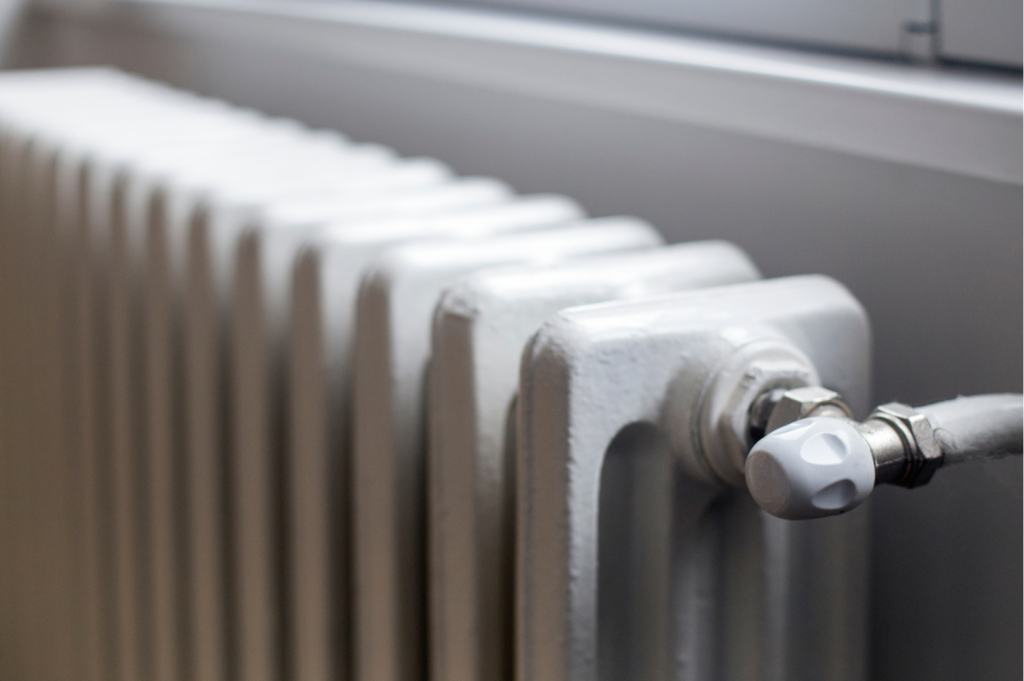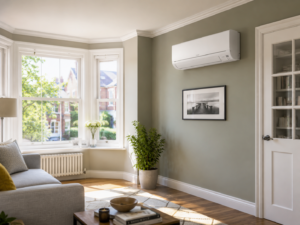
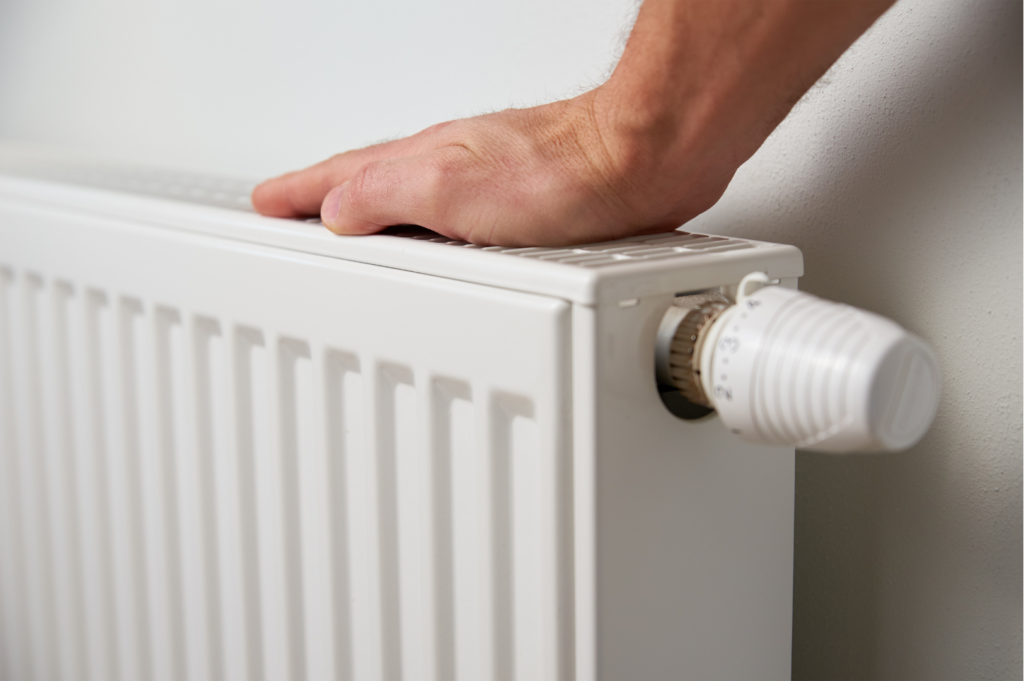
If you’re considering an air source heat pump, you may have heard that you’ll need to replace every radiator in your home. Fortunately, that’s not necessarily true.You don’t automatically need new radiators for a heat pump. Some existing radiators may already be large enough, while others might need to be upgraded to provide enough heat at the lower water temperatures typically used by a heat pump.
The only reliable way to know is to assess the heat required in each room and compare it with the output of your existing radiators.
At 2 Brothers Renewables Ltd, we assess the complete heating system when designing an air source heat pump installation across Dorset and the South Coast. That includes the heat pump itself, your property’s heat loss and whether your existing heat pump radiators will be suitable.
Why Might You Need Different Radiators for a Heat Pump?
The main reason is that heat pumps generally work differently from traditional gas and oil boilers. A traditional boiler can send relatively hot water through your radiators. A heat pump normally works most efficiently when the water flowing around the heating system is cooler. Energy Saving Trust explains that heat pumps commonly send water to radiators at around 35°C to 45°C. By comparison, a traditional fossil-fuel heating system may operate at considerably higher temperatures. You can read more about the installation process in the Energy Saving Trust heat pump installation guide. Because the water is cooler, the radiator needs enough surface area to transfer sufficient heat into the room. This is why some homes need larger radiators for an air source heat pump.Do You Have to Replace Every Radiator for a Heat Pump?
No. You don’t necessarily have to replace every radiator.This is one of the biggest misconceptions surrounding heat pump radiators. Some existing radiators may already be sufficiently large for the room they’re heating. Others may only need a relatively simple upgrade, while certain rooms may require no changes at all. For example, you might find that:- Your living-room radiator is already large enough
- A bedroom radiator needs upgrading
- A small bathroom radiator works perfectly well as it is
- Another room would benefit from a double or triple-panel radiator
How Do You Know If Your Existing Radiators Are Big Enough?
The installer needs to understand how much heat each room loses during cold weather. This is usually determined through a room-by-room heat loss calculation. The calculation considers factors such as:- Room dimensions
- External walls
- Windows and doors
- Insulation
- Ceiling height
- Floor construction
- The temperatures the heating system is designed to maintain
Do Heat Pumps Need Bigger Radiators?
Sometimes, yes. Because heat pumps generally work most efficiently with lower-temperature water, increasing the radiator’s surface area allows more heat to be transferred into the room. But a bigger radiator for a heat pump doesn’t necessarily mean installing something that takes up twice as much wall space. A single-panel radiator can sometimes be replaced with a double or triple-panel radiator of a similar width and height. The additional panels and fins increase the available surface area, allowing the radiator to release more heat. Energy Saving Trust specifically notes that larger radiators don’t necessarily require more wall space and that double or triple-panel designs can provide the additional surface area required. You can read its current heat pump guidance here.Can You Use Normal Radiators with a Heat Pump?
Yes. Standard radiators can work with an air source heat pump if they’re appropriately sized for the room and the heating system. You don’t necessarily need specialist radiators simply because you’re installing a heat pump. What matters is whether the radiator can provide enough heat at the system’s intended water temperature. Some homes already have oversized radiators because of previous heating-system changes, extensions or improvements to the property. In those cases, existing radiators may already be suitable. Other homes may have relatively small radiators that were designed around a high-temperature boiler system. Those are more likely to require upgrading.Why Does Flow Temperature Matter?
Flow temperature is the temperature of the water leaving the heat source and travelling around your heating system. It’s an important part of designing radiators for an air source heat pump. Heat pumps generally become more efficient when they can provide the required heating using a lower flow temperature. MCS guidance explains that heat pump efficiency is fundamentally affected by the temperature the system needs to deliver, with lower flow temperatures generally supporting better efficiency. MCS guidance also suggests designing suitable radiator systems around lower temperatures where practical. You can find detailed technical guidance through MCS Certified. In practical terms, this means that installing appropriately sized radiators can help the heat pump warm your home without unnecessarily increasing its operating temperature.Will Bigger Radiators Make a Heat Pump More Efficient?
Potentially, yes. Larger radiators provide more surface area for transferring heat into the room. This can allow the heating system to operate effectively with cooler water. Energy Saving Trust notes that lower flow temperatures can improve heat pump efficiency and reduce running costs. :chatgpt-content-reference{index=”1″} However, that doesn’t mean you should simply install the largest radiators you can find. The heating system should be properly designed so that each room receives the amount of heat it actually requires.What Types of Radiators Work with Heat Pumps?
There are several options when choosing heat pump radiators.Existing Radiators
If your current radiators provide enough output at the proposed flow temperature, they may be retained.Double-Panel Radiators
A double-panel radiator provides greater surface area than a basic single-panel model and can increase heat output without necessarily requiring substantially more wall space.Triple-Panel Radiators
Where greater output is required, a triple-panel radiator may provide additional surface area while keeping a relatively conventional radiator footprint.Low-Temperature Radiators
There are also radiators specifically designed to provide good heat output with lower water temperatures. Some use larger surface areas, while others use integrated fans to move warm air into the room. The best option depends on the room, required heat output, available space and the overall heating-system design.Can Underfloor Heating Work with a Heat Pump?
Yes. Underfloor heating works particularly well with heat pumps because it uses a very large surface area to distribute heat. This means comfortable room temperatures can often be achieved using relatively low water temperatures. However, you do not need underfloor heating to have a heat pump. A home can use:- Radiators throughout
- Underfloor heating throughout
- A combination of radiators and underfloor heating
What If You Don’t Want to Replace Your Radiators?
If keeping your existing radiators is important, discuss this with your installer before the system is designed. It may be possible to design the system around existing radiators, particularly if they’re already generously sized. There are also heat pumps capable of operating at higher water temperatures. However, simply increasing the temperature isn’t automatically the best solution. Heat pumps generally operate more efficiently at lower flow temperatures, so the installer needs to balance radiator output, heat pump performance, comfort and running costs. MCS pre-sale guidance specifically recognises systems using existing radiators as well as systems where most radiators are upgraded, reinforcing that replacing every radiator isn’t an automatic requirement. :chatgpt-content-reference{index=”3″}Can Better Insulation Mean Fewer Radiator Upgrades?
Potentially. Improving insulation reduces the amount of heat escaping from your home. If a room loses less heat, the radiator doesn’t need to provide as much heat to maintain a comfortable temperature. Improvements such as loft insulation, wall insulation and reducing draughts can therefore influence the heating requirements of the property. This doesn’t mean every home must be completely renovated before installing a heat pump. Energy Saving Trust confirms that heat pumps can work in older properties and that perfect insulation isn’t a requirement. However, improving insulation where practical can reduce heat loss and energy consumption. :chatgpt-content-reference{index=”4″}How Much Does It Cost to Upgrade Radiators for a Heat Pump?
The cost depends on how many radiators need changing, their required sizes, the type of radiator selected and whether any pipework needs modification. The important point is that radiator upgrades should be included when considering the overall heat pump installation cost. A quote that appears cheaper because it ignores necessary heating-system improvements isn’t necessarily better value. Your installer should identify which radiators can remain and which should be upgraded before providing the final system design and quotation. Energy Saving Trust also recommends that installers identify any required radiator upgrades during the assessment and include them within the heat pump quote. :chatgpt-content-reference{index=”5″}Should You Replace Radiators Before Installing a Heat Pump?
Usually, it’s better to have the property assessed first. Replacing radiators before the heat loss and system requirements are known could result in buying radiators that aren’t correctly sized for the eventual heat pump system. A better process is:- Assess the property
- Calculate the heat requirement for each room
- Choose an appropriate heat pump
- Determine the intended flow temperature
- Check the output of each existing radiator
- Upgrade only the radiators that need changing